
Understanding the psychology behind gambling behavior and its effects on decision-making
The Allure of Gambling
The world of gambling captivates millions, drawing individuals in with the promise of excitement, adrenaline, and the potential for significant financial gain. This allure is deeply rooted in psychological principles that govern human behavior. The thrill of risk-taking and the unpredictability of outcomes can create a compelling environment for decision-making, often leading individuals to take chances they might otherwise avoid in daily life. By using a hellcase code, new players can gain exciting bonuses to further enhance their experience.
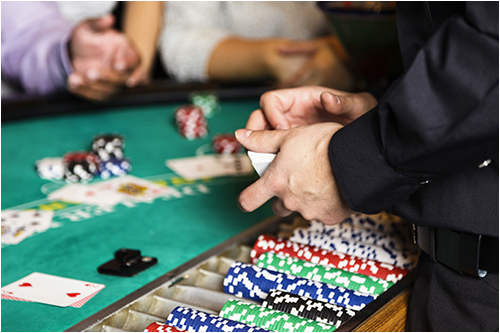
The anticipation of winning can trigger a rush of dopamine, a neurotransmitter associated with pleasure and reward. This physiological reaction not only reinforces the behavior but also creates a cycle where the individual seeks that exhilarating feeling repeatedly. As such, understanding these psychological factors is essential for comprehending why people engage in gambling despite its inherent risks.
The Role of Cognitive Biases
Cognitive biases significantly influence gambling behavior. One of the most common biases observed in gamblers is the illusion of control, where individuals believe they can influence outcomes in games of chance. This leads players to make irrational decisions, such as continuing to gamble in the hope of reversing losses, despite evidence suggesting otherwise.
The Impact of Emotion on Decision-Making
Emotions significantly shape the decisions gamblers make. Feelings of excitement and euphoria can propel individuals to take risks, often leading to impulsive actions without thorough evaluation of potential consequences. On the other hand, negative emotions such as sadness or frustration can push individuals to gamble as a form of escapism, further complicating their decision-making processes.
When emotions cloud judgment, gamblers may be more prone to chase losses or engage in high-stakes betting. Recognizing the impact of emotional states on decision-making can be crucial for both gamblers and those seeking to understand their behavior, as it highlights the need for emotional regulation and awareness in gambling contexts.
The Social Aspect of Gambling
The social environment also plays a crucial role in gambling behavior. Many individuals engage in gambling as a social activity, where camaraderie and shared experiences enhance the thrill. This social aspect can sometimes lead to groupthink, where individuals may feel pressured to conform to the gambling behaviors of their peers, further influencing their decisions.
Additionally, the presence of social rewards, such as status and recognition among peers, can drive individuals to take risks they may not consider in isolation. Understanding the social dynamics of gambling reveals how external influences can significantly affect personal decision-making, often blurring the lines between individual choice and social expectation.

Exploring Responsible Gambling
Understanding the psychology behind gambling behavior is essential for promoting responsible gambling practices. Awareness of cognitive biases, emotional influences, and social pressures can empower individuals to make more informed decisions. Organizations dedicated to gambling education strive to provide resources that help gamblers recognize harmful patterns and encourage a healthier approach to gaming.
Websites focused on gambling, such as dedicated educational platforms, can offer guidance, support, and strategies for responsible gambling. By fostering awareness and providing tools for self-regulation, these resources can help individuals enjoy the entertainment value of gambling without falling prey to its risks.
“`